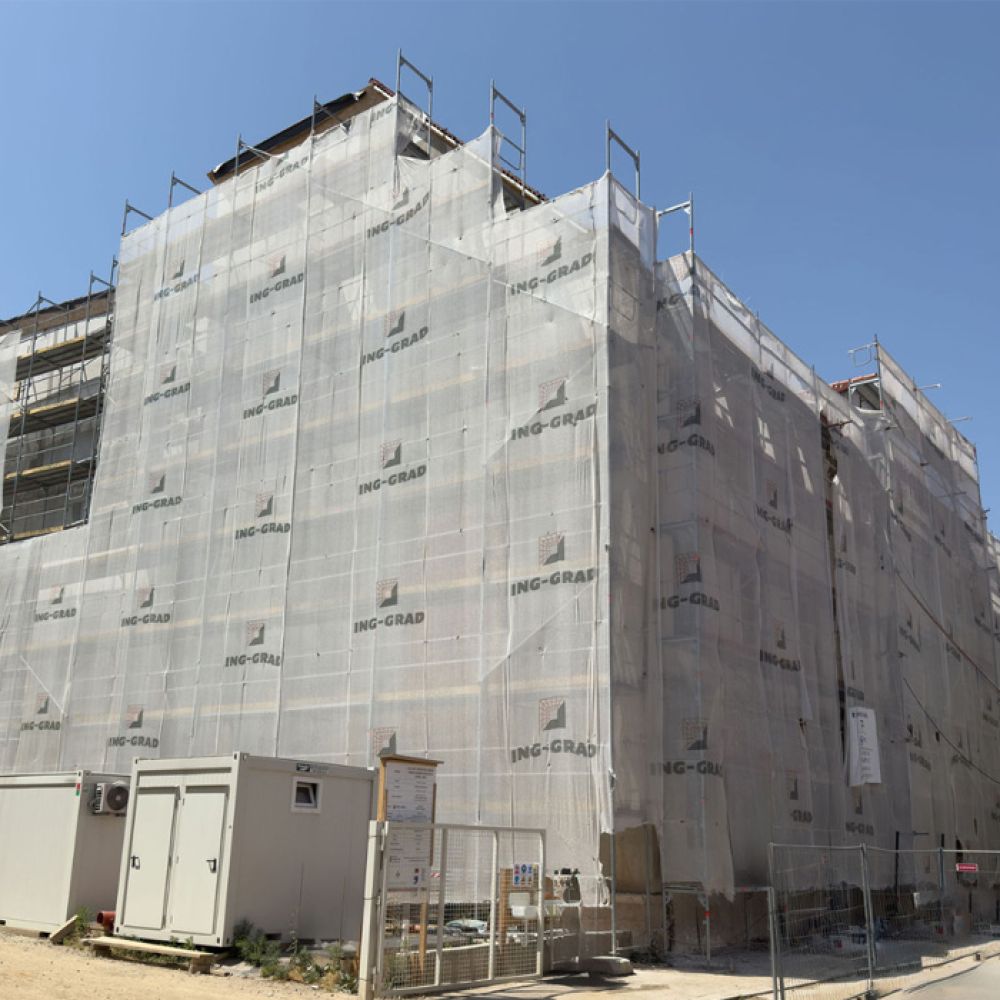
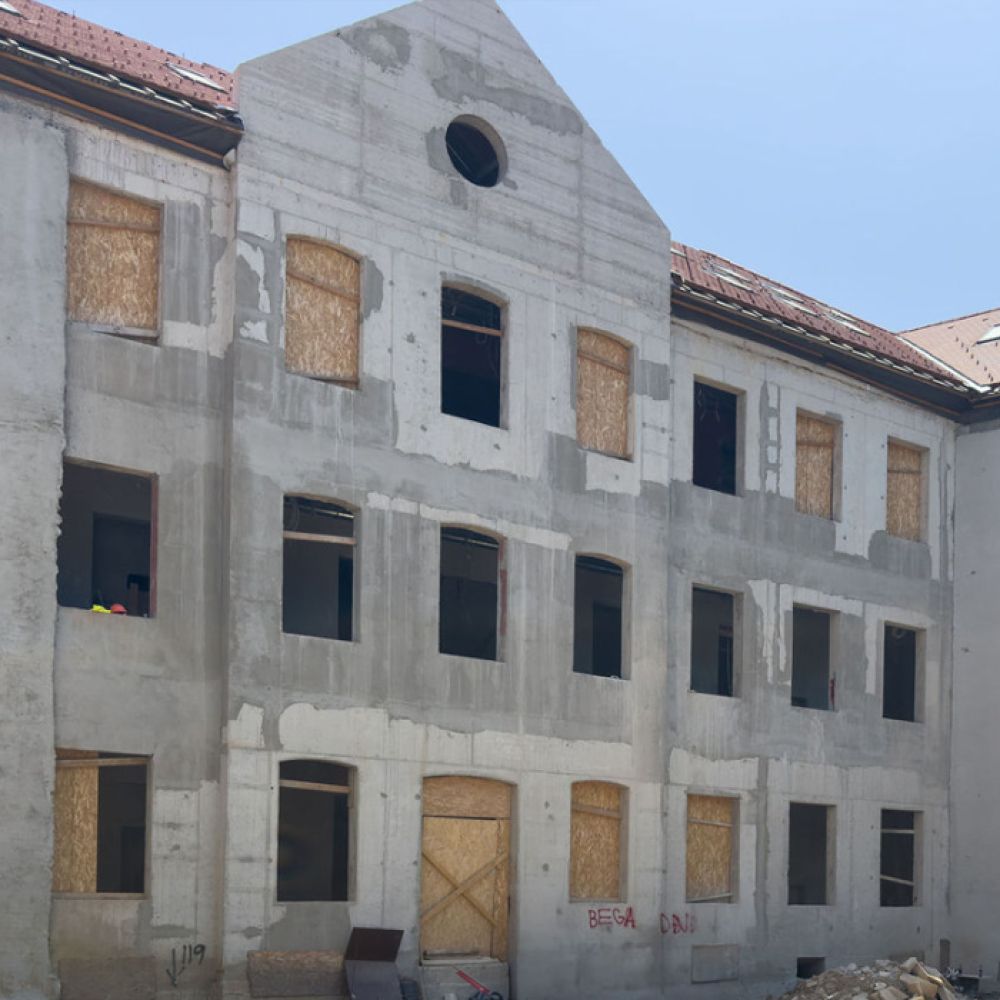
The DHMZ Palace represents a layered historical and architectural complex, listed in the Register of Cultural Property of the Republic of Croatia as an individually protected cultural asset. It is located on the southwestern edge of Gradec – one of the two historic city cores from which modern-day Zagreb developed. Its southern façade follows the line of the former city walls in the area known historically as Grič.
The present architectural and spatial layout consists of three interconnected wings forming a characteristic U-shaped floor plan. The complex was developed during the 19th century on the site of the former medieval Capuchin monastery and the Church of St. Mary.
At the end of the 19th century, the Meteorological Station was established in the building, operating under various organizational forms in the Palace until recently. During the 20th century, the remaining monastic buildings were removed, and over the last seventy years the Palace has undergone several structural and functional adaptations to meet the operational needs of the Hydrometeorological Institute. Until the earthquake in March 2020, it continuously housed the professional and operational activities of DHMZ.
Through the comprehensive structural and energy renovation project, the Palace is being given a new cultural and public function, with the Croatian History Museum planned to relocate into the building.
The project includes:
- a comprehensive repurposing and reorganization of spatial units
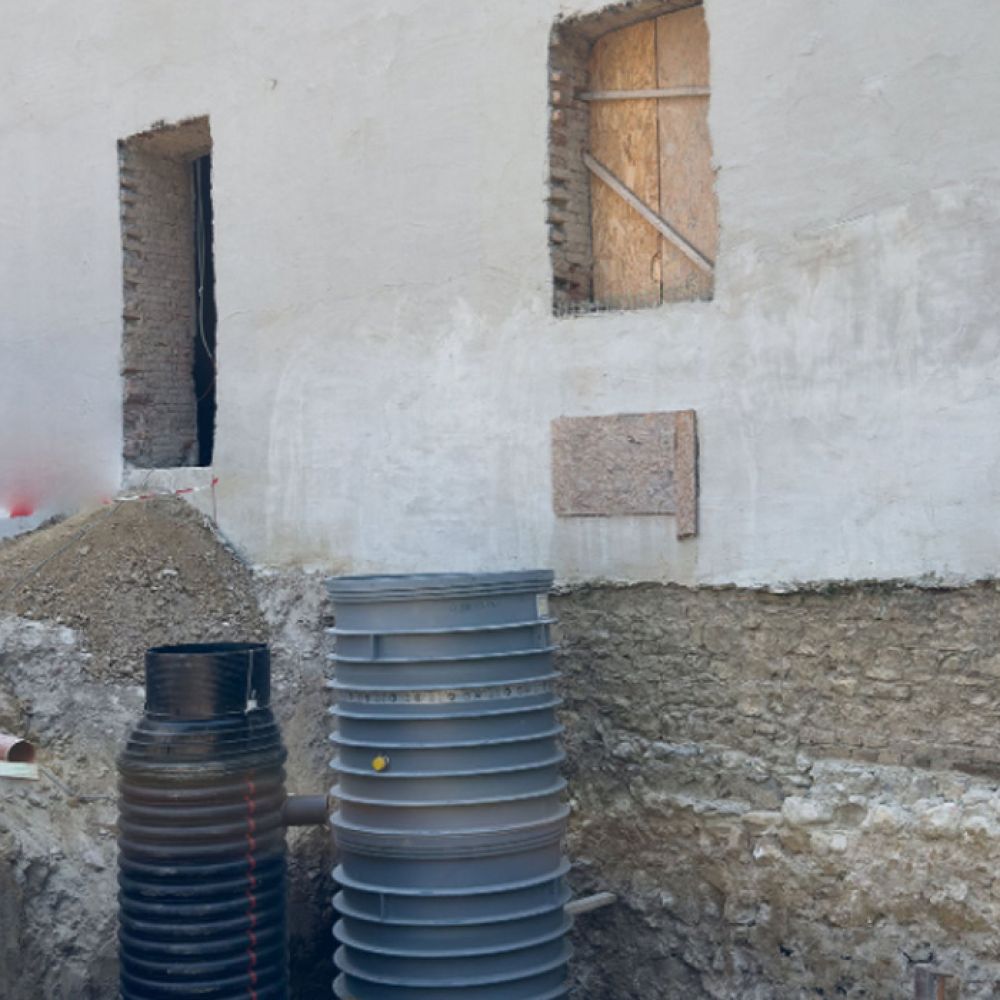
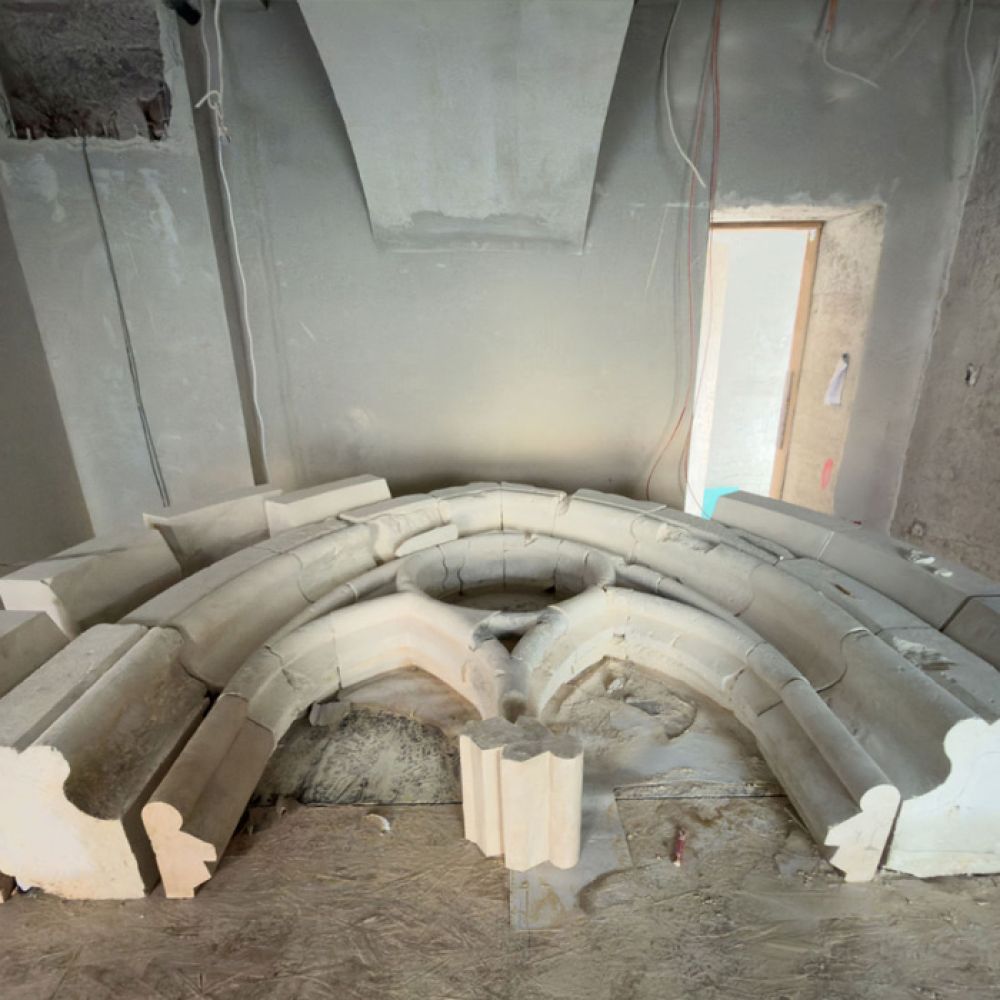
- conservation-restoration and archaeological investigations
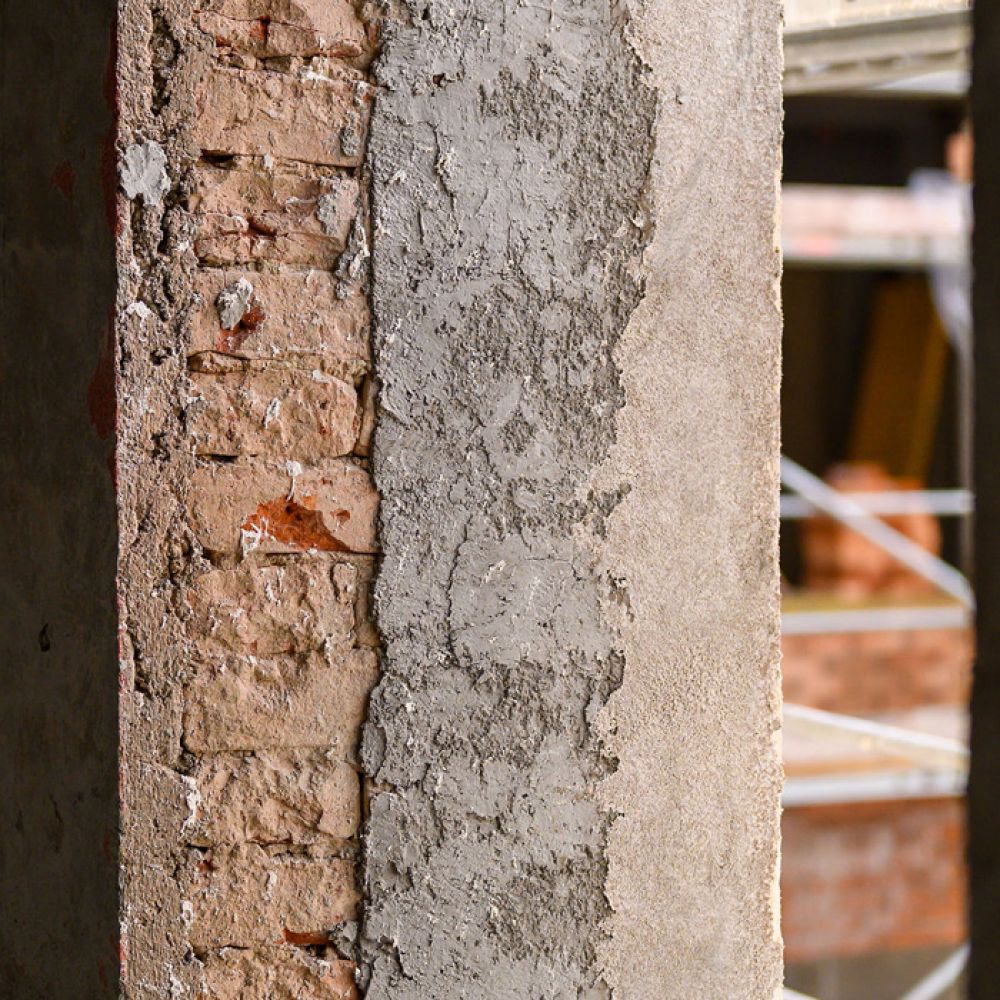
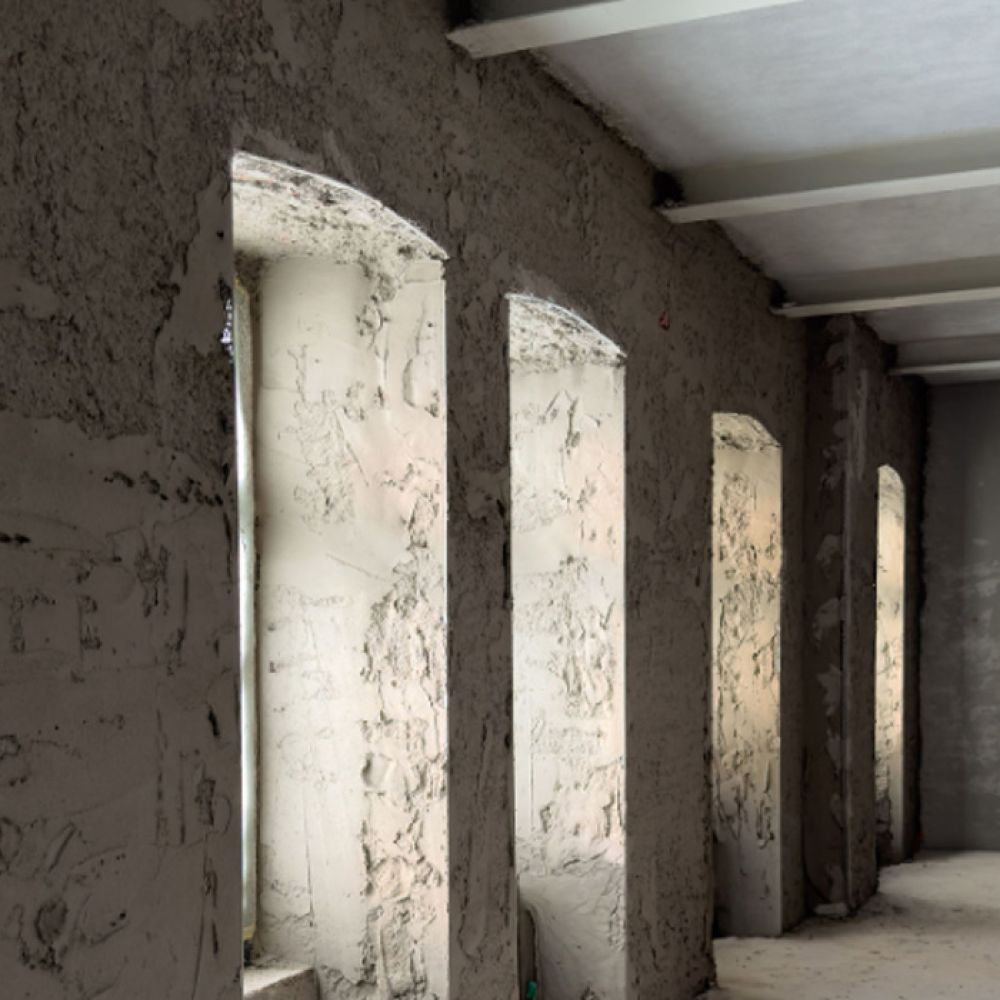
- structural rehabilitation and final construction works
- the establishment of a new communication corridor between the two wings
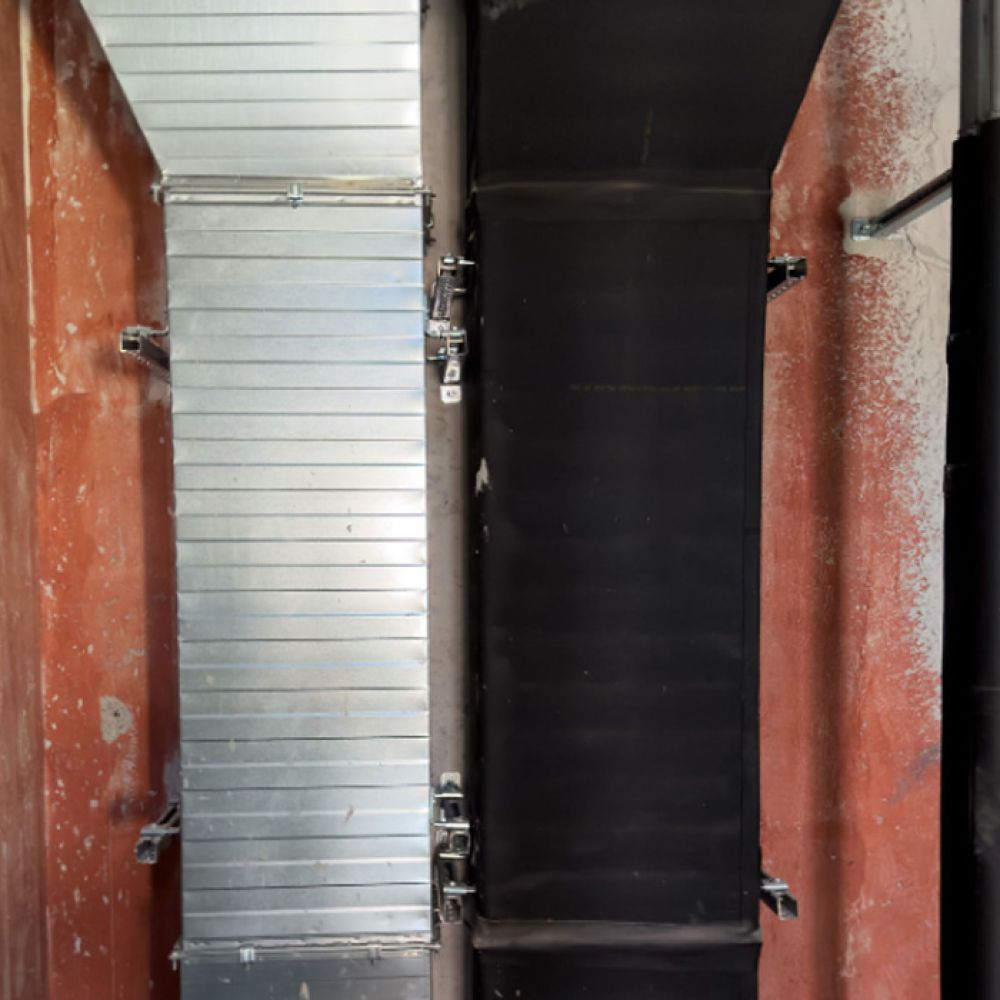
- he installation of modern energy, safety, and technical systems in accordance with current standards for protected cultural heritage buildings
This intervention unites the historical value of the site with the functional requirements of its future museum purpose.